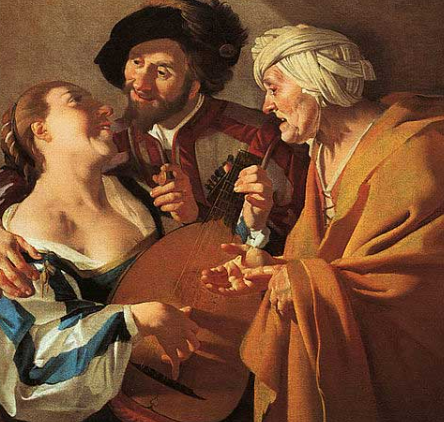
He fooled the greatest experts in the world. He sold a fake to a Nazi leader.
He fooled the greatest experts in the world. He sold a fake to a Nazi leader. And to prove his innocence, he had to paint a Vermeer in front of a courtroom.
In 1937, a painting titled The Supper at Emmaus appeared on the art market. The leading Vermeer specialists of the time, including the renowned Dr. Bredius, authenticated it without hesitation: an unknown masterpiece by the master of Delft. Rotterdam's Boijmans Museum bought it for a fortune. For years, no one doubted it.
Yet the painting was a fake. Its creator, Han van Meegeren, a bitter and unsuccessful Dutch painter, had sworn revenge on the critics who once mocked his talent. His plan: create a "new Vermeer" so convincing that even the experts would fall into the trap.
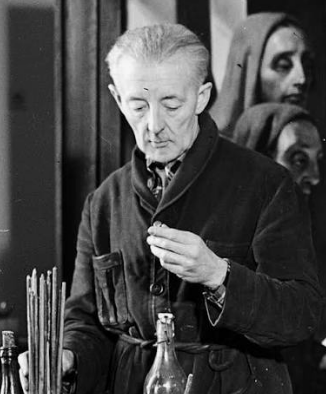
Van Meegeren had grasped something essential: art historians of the era were searching precisely for an early religious painting that would fill a gap in Vermeer's body of work a "missing link" between his style and Caravaggio's. He didn't simply forge a copy; he painted exactly what specialists were hoping to find. It was this psychological manipulation, more than technical skill alone, that made the deception so dangerous.
The case unraveled in 1945. After the Liberation, it emerged that a painting attributed to Vermeer had been sold during the war to Hermann Göring, a top Nazi official. Van Meegeren was arrested for collaboration and treason a crime punishable by death. To save his life, he had no choice: he confessed to being a forger. No one believed him. To prove it, he was placed in a cell with period canvas and pigments, watched by journalists and experts. In front of them, he painted a new "Vermeer."
The most famous attribution error in art history had just collapsed in public. Van Meegeren, convicted only of forgery, became something of a folk hero the man who had fooled the Nazis with a fake painting. He died of a heart attack a month after his trial, in 1947.
This story raises a question that still echoes through museums today: when experts want so badly to believe in a discovery, do they only see what they hope to see?
Henry de Toubeyre.
Beacons: https://beacons.ai/henrydetoubeyre