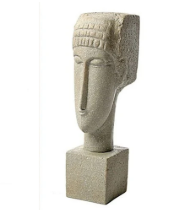
Livorno, 1984: The Fake Heads of Modigliani.
Summer 1984. Livorno is celebrating the centenary of its most famous son, Amedeo Modigliani. An old local legend is circulating in 1909, stung by friends who mocked his sculptures as crude, the young artist supposedly threw them into the Fosso Reale, the city's canal.
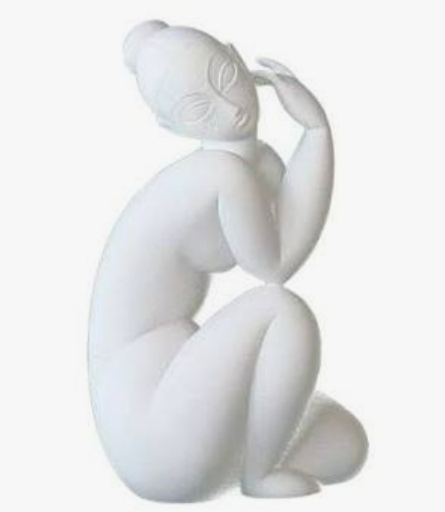
Modigliani sculpted mainly between 1909 and 1914, fascinated by Brancusi and African art, before devoting himself entirely to painting. Few stones by his hand survive, which leaves wonderful room for dreaming. The city decides to dredge the canal.
In front of the cameras, the mud is stirred. A first stone head appears, then a second, then a third. Elongated face, slender nose, almond eyes: everything evokes Modigliani. Renowned art historians declare them authentic. The world press announces the discovery of the century, a lost chapter of art history.
Then it all collapses. Three Livorno students confess that they carved one of the heads in a few hours with a Black & Decker drill, as a joke. To prove it, they sculpt another in front of journalists. Soon after, a local artist, Angelo Froglia, claims the other two as a performance against the art establishment.
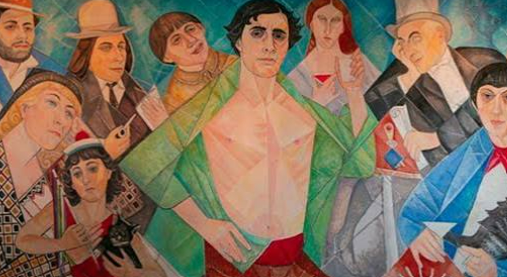
What fascinates me is not the prank, but our desire to believe. A canal, a doomed genius, a sunken treasure: the story was too beautiful to be checked. Like the experts facing Van Meegeren's fake Vermeer, people saw what their hearts hoped for.
Perhaps that is the real mystery: not who carved these heads, but what in us was ready to believe them. Art is never only an object; it is a mirror held up to our expectations.
And you, which lost masterpiece would you dream of pulling from the water?
Henry de Toubeyre.
Beacons: https://beacons.ai/henrydetoubeyre